Peptides are short chains of amino acids that act as signalling molecules. Incretin-based therapies mimic hormones involved in appetite, blood-sugar regulation, digestion and energy balance. They can reduce appetite and cravings, increase fullness, slow gastric emptying and improve glucose regulation. They change the biological environment for weight management — they do not magically remove body fat.
New
Want the evidence behind each compound — human trials versus animal research, regulatory status and the original studies? Open the Peptide Research Evidence Center.
Before you read on: many peptides discussed here are prescription medicines or investigational compounds. The Modern Health Report provides education and maths tools only — no dosing advice. Your dose always comes from your prescriber.
Jump to a section
Visual guide
What peptides are and where they act
Peptides are short chains of amino acids that act as signalling molecules. GLP-1 based medicines work mainly on appetite signalling in the brain, stomach emptying and blood-sugar control — while resistance training and protein protect the muscle you keep through weight loss.
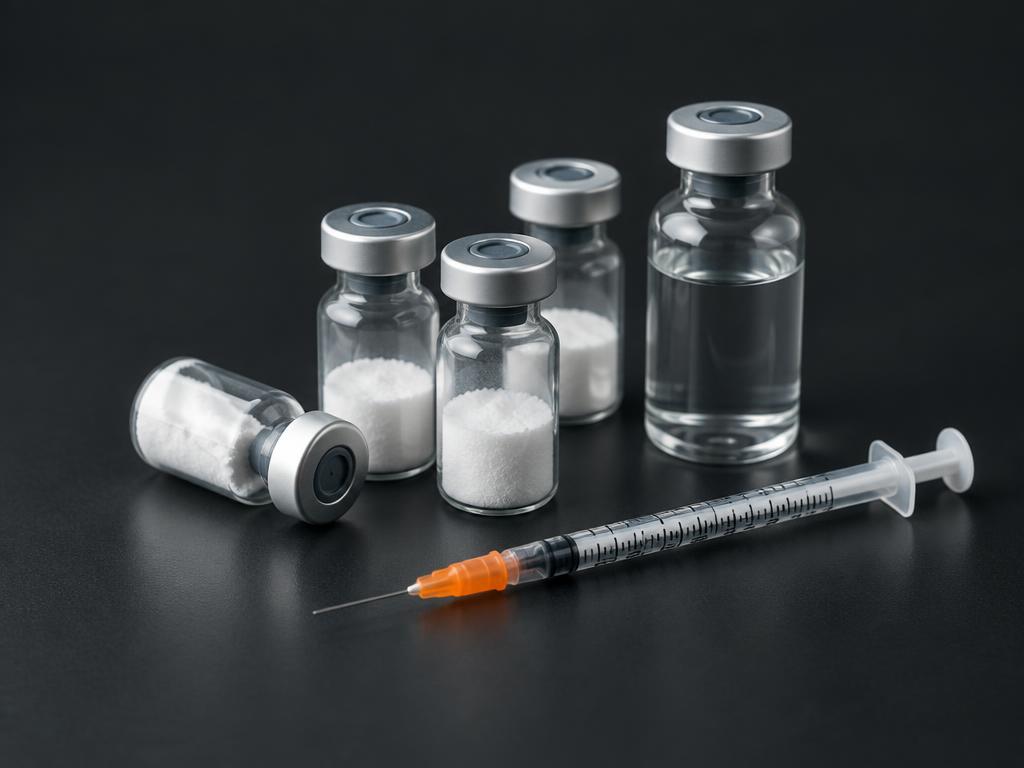
Peptide vials and bacteriostatic water
Compounded or investigational peptides usually arrive as a freeze-dried powder that is mixed with bacteriostatic water before use. Prescription pens come pre-mixed.
A peptide is a short amino acid chain
Peptides are short strings of amino acids that act as signalling molecules — telling the body to release insulin, slow digestion or reduce appetite.
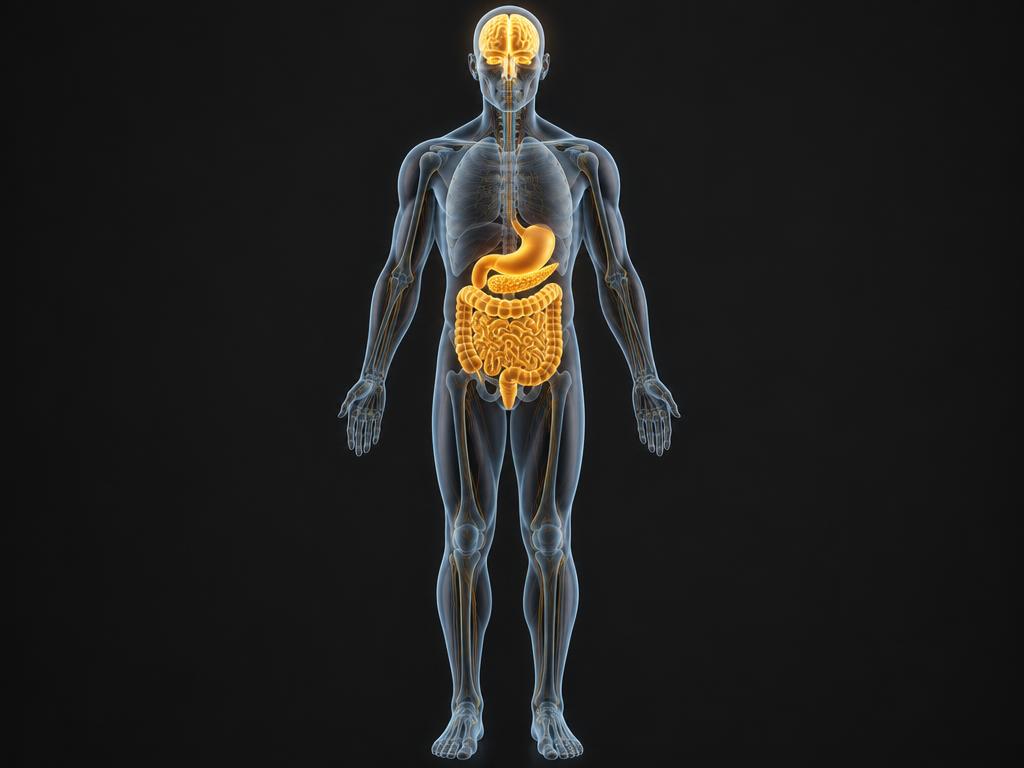
Where GLP-1 medicines act
Appetite signalling in the brain, slower stomach emptying, and insulin release from the pancreas — the three effects behind reduced food noise and steadier blood sugar.
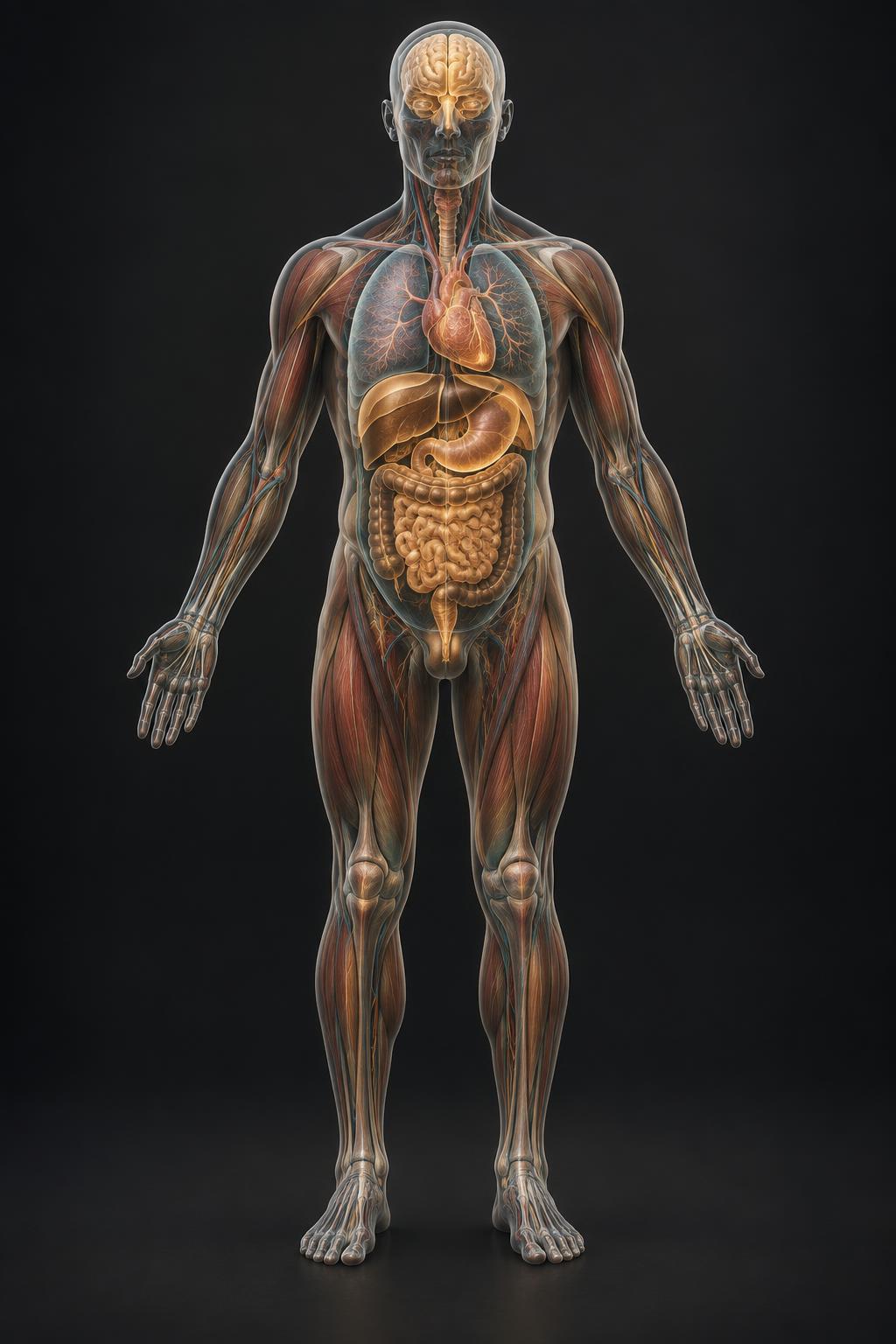
The muscle you need to protect
Without resistance training and enough protein, a large share of weight lost can come from muscle. Training the whole body preserves it while fat comes down.
Illustrations are simplified for explanation and are not exact anatomical or molecular models.
Interactive research explorer
Peptide body map
Explore where peptide research is focused. A highlighted body area identifies a research pathway — it does not mean a compound is proven to treat that organ, condition or symptom.
Brain
Cognition, mood and sleep pathways
Semax
Research use only — not approved outside Russia
What it is
A synthetic analogue of ACTH(4-10) with no hormonal ACTH activity. Registered as a medicine in Russia for stroke and cognitive indications; unapproved in the US, UK and EU.
Mechanism
Rapidly increases BDNF and NGF expression in the hippocampus, modulates the dopaminergic and serotonergic systems, and reduces inflammatory signalling after ischaemic injury.
Evidence
A real clinical literature exists but almost entirely in Russian-language journals with methodology that Western regulators have not accepted.
Human trials
Limited human evidence; Preclinical development stage.
Safety
Unapproved and unstudied in Western trials. Nasal formulations vary in concentration.
Regulatory status
No
Research area, not treatment guidance. Evidence quality, approved uses and safety differ substantially between compounds.
The 3D visual and hotspots are educational references; they are not a diagnostic anatomical model and do not show drug distribution.
Research-use-only library
Peptide breakdown — what each one does in the body
Printable reference
Download the whole library as a PDF, or take just one peptide with you using the download button on its card.
Research use only. Every compound below is summarised from published laboratory, animal or clinical literature for educational and research purposes. Most are not approved medicines and several are sold explicitly for laboratory research and are not for human consumption. Nothing here is a protocol, a dose, or a recommendation to use anything. Approved medicines in this list are prescription-only and belong in a clinician's hands.
Tissue repair and gut lining
Tendons, ligaments, joint capsules, muscle bellies and the lining of the stomach and intestine — the areas most studied for peptides that promote blood-vessel growth and matrix rebuilding.
BPC-157
Research use only — not approved
Also known as: Body Protection Compound 157, pentadecapeptide BPC 157
A synthetic 15-amino-acid fragment derived from a protein found in human gastric juice. It is one of the most-studied compounds in the peptide grey market and one of the least-studied in humans.
How it works
In rodent models it upregulates VEGF and the VEGFR2–Akt–eNOS pathway, driving new blood-vessel growth (angiogenesis) into injured tissue. It also modulates the nitric-oxide system, influences growth-hormone receptor expression in tendon fibroblasts, and interacts with dopamine and serotonin signalling.
Reported benefits in the literature
Accelerated tendon-to-bone and ligament healing in rat models, with better collagen organisation than controls
Faster muscle-crush and muscle-transection recovery in rodents
Protection of the stomach and intestinal lining against NSAID and alcohol damage in animal studies
Reduced inflammatory markers around injured connective tissue
Preliminary work on nerve regeneration and blood-vessel repair after injury
Strength of the evidence
Large, consistent preclinical (animal) literature; essentially no published randomised human trials. Regulatory position as of September 2026: the FDA placed BPC-157 in Category 2 of its bulk-compounding review in 2023; in April 2026 it moved to the 'nominated but withdrawn' group after the nominations were withdrawn, which is not permission to compound; and on 23–24 July 2026 the FDA's Pharmacy Compounding Advisory Committee voted 8–6 to recommend it for the 503A bulks list, against FDA reviewers' advice. That vote is non-binding, so BPC-157 still cannot be legally compounded and remains unapproved. WADA prohibits it in sport.
No human pharmacokinetic or long-term safety data. Angiogenesis-promoting compounds are a theoretical concern in anyone with a cancer history. Grey-market purity varies widely.
A synthetic fragment of thymosin beta-4, a naturally occurring actin-binding protein present in nearly every human cell and in wound fluid.
How it works
Binds G-actin and promotes actin polymerisation, which lets cells migrate into a wound. Also upregulates VEGF-driven angiogenesis and downregulates inflammatory cytokines, and has been studied for cardiac progenitor cell activation.
Reported benefits in the literature
Faster cell migration into wound beds — the step that closes a wound
Reduced scar tissue and fibrosis in animal models of skin, cornea and heart injury
Improved flexibility and reduced adhesion around healing tendon in rodent work
Anti-inflammatory effect on damaged tissue independent of steroids
Corneal and dry-eye repair — the closest thing to human trial data, via the full thymosin beta-4 molecule (RGN-259)
Strength of the evidence
Strong mechanistic and animal data; human trials exist for the parent protein in eye and wound indications, not for the TB-500 fragment sold to consumers. WADA-prohibited.
Same angiogenesis caution as BPC-157. Consumer TB-500 is not the molecule used in clinical trials.
Also known as: Cibinetide; pyroglutamate helix B surface peptide (pHBSP)
An 11-amino-acid peptide engineered from a tissue-protective region of erythropoietin. Unlike erythropoietin, it was designed not to stimulate red-blood-cell production.
How it works
Activates the innate repair receptor, a complex formed by the erythropoietin receptor and the beta-common receptor CD131. This can trigger anti-inflammatory, anti-apoptotic and tissue-repair signalling without activating the classical erythropoietin receptor responsible for making red blood cells.
Reported benefits in the literature
Improved neuropathic and autonomic symptoms in small Phase 2 studies of sarcoidosis-associated small-fiber neuropathy
Increased corneal small-nerve-fiber measures in a 28-day placebo-controlled trial
Improved neuropathic symptoms and some metabolic markers in a small study of people with type 2 diabetes
Reduced pain behaviours and promoted nerve-repair signalling in animal injury models
Strength of the evidence
Several small Phase 2 human trials provide a meaningful early signal for small-fiber neuropathy, but there are no pivotal Phase 3 trials and no approved indication. Trials were short, so long-term benefit and safety remain unknown.
Not an approved treatment. Published trials do not establish long-term safety, effectiveness for general pain, or a self-treatment protocol. Products sold outside clinical research have no assured identity, sterility or potency.
A synthetic three-amino-acid peptide from the Russian short-peptide 'bioregulator' research program. It is marketed for cartilage and joint ageing, although vendor descriptions sometimes disagree about its exact identity.
How it works
The originating research group proposes that the Ala-Glu-Asp sequence influences gene expression in cartilage cells, including pathways related to extracellular matrix and cell ageing. No well-validated receptor target or independently replicated human mechanism has been established.
Reported benefits in the literature
Studied in cultured cartilage cells and mesenchymal stem cells for changes in proliferation and ageing markers
Proposed to influence collagen and proteoglycan-related gene expression
Explored in limited animal work related to cartilage degeneration
Strength of the evidence
Very low certainty. The literature is preclinical, small and concentrated in one research network. No controlled human trial has shown that Cartalax rebuilds cartilage, reduces arthritis pain or changes joint outcomes.
No approved product, human safety profile or established clinical use. Online sellers inconsistently describe the sequence, and claims of tissue-specific gene regulation remain unconfirmed independently. Joint pain or swelling requires proper diagnosis rather than a research product.
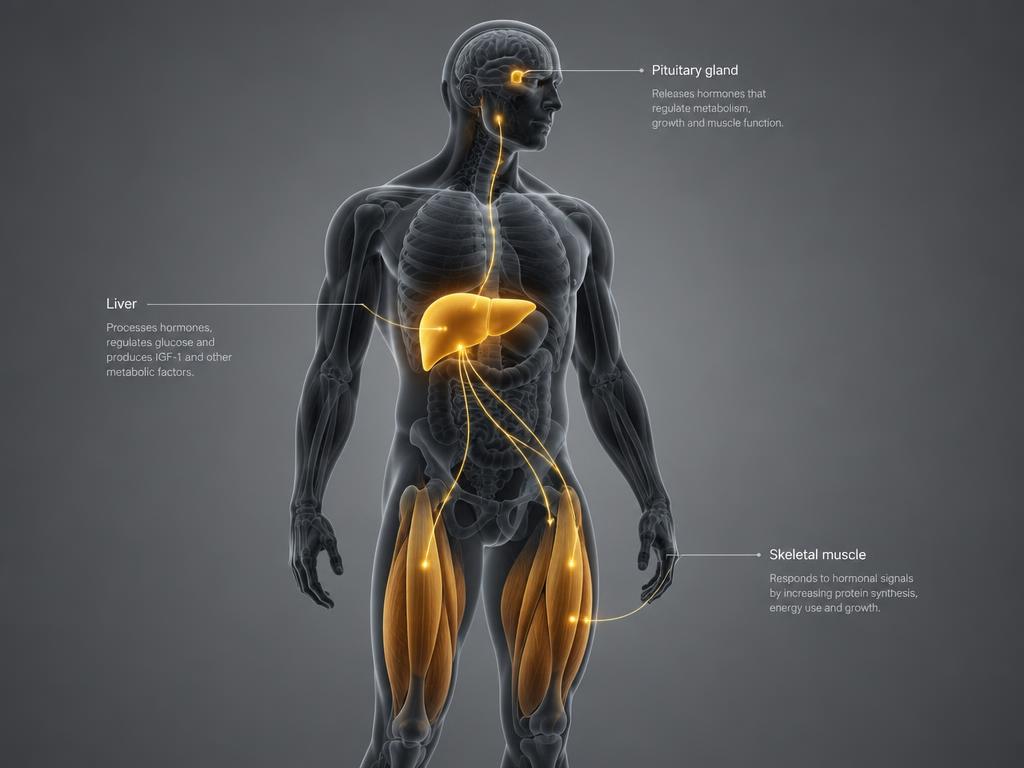
The pituitary gland releases growth hormone in pulses; the liver converts that signal into IGF-1, which acts on skeletal muscle satellite cells, bone and connective tissue.
Ipamorelin
Research use only — not approved
A selective growth hormone secretagogue — a pentapeptide that mimics ghrelin at the GHS-R1a receptor without ghrelin's other effects.
How it works
Triggers a pulse of the body's own growth hormone from the pituitary. Unlike older secretagogues it does not meaningfully raise cortisol, prolactin or ACTH, which is why it is the most-discussed of the class.
Reported benefits in the literature
Restores a more youthful pulsatile GH pattern rather than replacing GH directly
Downstream IGF-1 rise supporting muscle protein synthesis and connective-tissue repair
Studied for improved sleep depth, which is when natural GH release peaks
Bone mineral density support in animal models
Less appetite stimulation than ghrelin-like peptides such as GHRP-6
Strength of the evidence
Phase 2 human trials were run for post-operative ileus and did not proceed to approval. No approved human indication anywhere.
Raising GH/IGF-1 is a theoretical growth signal for existing tumours. Can cause water retention, joint ache and insulin resistance. WADA-prohibited.
A synthetic analogue of growth hormone releasing hormone (GHRH). The 'with DAC' version binds albumin and lasts days rather than minutes.
How it works
Acts on the GHRH receptor to increase the amplitude of GH pulses. Frequently paired in the literature with a secretagogue like ipamorelin because the two act on different receptors.
Reported benefits in the literature
Sustained elevation of GH and IGF-1 in human pharmacology studies (an early trial reported multi-fold GH increases)
Supports lean-mass retention during energy restriction in animal models
Connective-tissue and bone turnover support via IGF-1
Longer dosing interval than short-acting GHRH analogues
Strength of the evidence
Human pharmacokinetic and pharmacodynamic data exist; development was halted and there is no approved indication. A trial death (unrelated cause reported) is often cited in the history of the compound.
Continuous rather than pulsatile GH elevation is physiologically unnatural. Same tumour-signalling, oedema and glucose concerns as other GH-axis compounds. WADA-prohibited.
The first 29 amino acids of natural GHRH — historically an FDA-approved diagnostic and paediatric growth product (Geref), later withdrawn from the US market for commercial reasons.
How it works
Short-acting GHRH receptor agonist producing a natural-shaped GH pulse that is still regulated by the body's own somatostatin brake.
Reported benefits in the literature
Preserves the negative-feedback loop, so overshoot is less likely than with exogenous GH
Historically validated as a test of pituitary GH reserve
Studied for sleep quality and body-composition change in adult GH deficiency
Strength of the evidence
Real historical regulatory approval and human data, but no current approved product; today's supply is compounded or research-grade.
Compounded supply is unregulated for potency. Same GH-axis cautions.
Also known as: Long R3 insulin-like growth factor 1
An engineered 83-amino-acid analogue of human IGF-1 with an N-terminal extension and an amino-acid substitution designed to reduce binding to IGF-binding proteins. It is not the approved prescription drug mecasermin.
How it works
Activates the IGF-1 receptor and downstream PI3K-Akt-mTOR and MAP-kinase pathways involved in cell survival, protein synthesis and growth. Reduced binding-protein affinity may leave more active compound available than with native IGF-1.
Reported benefits in the literature
Useful as a laboratory reagent for studying IGF-1 receptor signalling without as much binding-protein interference
Promotes anabolic and cell-growth signals in cultured cells and animal models
Bodybuilding claims about muscle growth are extrapolated from preclinical biology, not controlled human trials
Strength of the evidence
Preclinical and laboratory evidence only. No completed controlled human trials establish the safety or effectiveness of IGF-1 LR3. Mecasermin has human evidence for a narrow paediatric deficiency indication, but those results cannot be transferred to LR3.
Can plausibly cause dangerous low blood sugar and stimulate growth in existing tumours or abnormal tissues. Long duration and unregulated purity add uncertainty. It is prohibited in sport and is not a substitute for medically prescribed mecasermin.
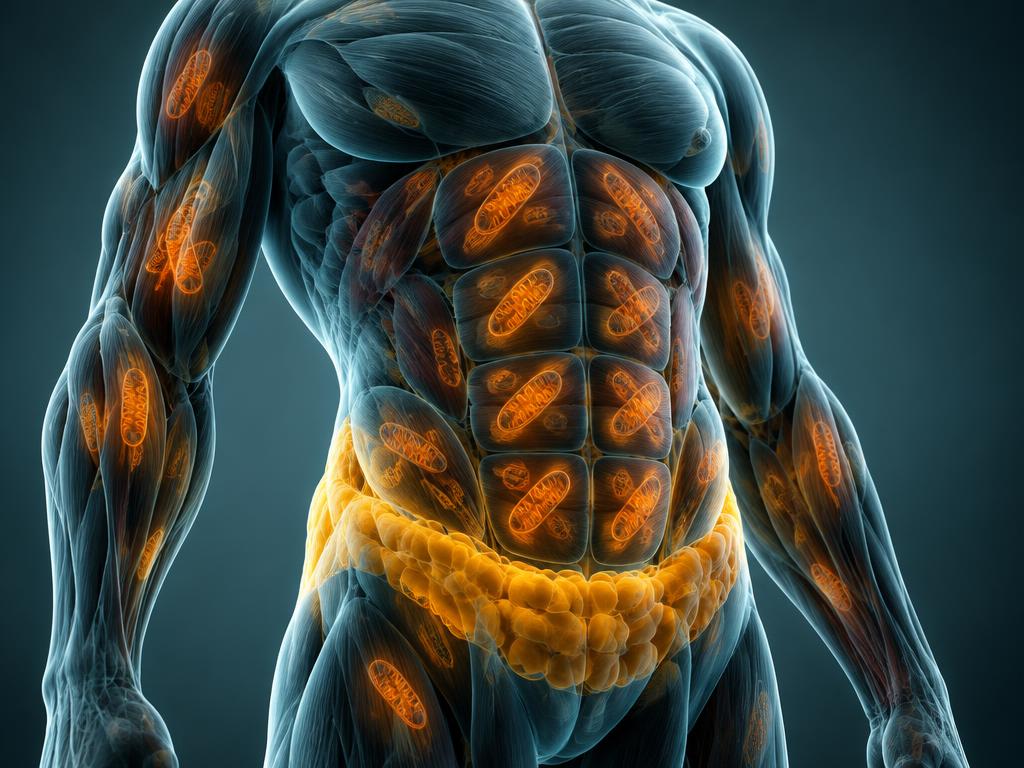
Abdominal and visceral fat stores, and the mitochondria inside muscle cells that determine how efficiently energy is produced.
Tesamorelin
FDA-approved medicine
Also known as: Egrifta
A stabilised GHRH analogue and the only GH-axis peptide in this list with full FDA approval — for excess abdominal fat in HIV-associated lipodystrophy.
How it works
Stimulates endogenous GH release, which increases lipolysis preferentially in visceral (organ-surrounding) fat.
Reported benefits in the literature
Clinically proven visceral adipose tissue reduction (~15–18% in pivotal trials) without weight-loss dieting
Improvement in triglycerides in trial populations
Reduced liver fat in studies of HIV-associated fatty liver
Studied for cognitive effects in older adults with mild cognitive impairment
Strength of the evidence
Randomised, placebo-controlled Phase 3 trials supporting its approved indication. Use outside that indication is off-label.
Prescription-only. Raises IGF-1; can worsen glucose tolerance and cause injection-site reactions, joint pain and swelling.
A 16-amino-acid fragment of the C-terminus of human growth hormone, designed to isolate GH's fat-burning action from its growth action.
How it works
Stimulates lipolysis and inhibits lipogenesis in fat cells in vitro without binding the GH receptor or raising IGF-1.
Reported benefits in the literature
Fat-loss signalling without the IGF-1 rise that makes other GH-axis compounds risky
No measurable effect on blood glucose in human trials — a genuine advantage over GH
Studied additionally for cartilage repair in osteoarthritis models
Strength of the evidence
Reached Phase 2b obesity trials and failed to beat placebo on weight loss. Holds GRAS status as a food ingredient in some jurisdictions; it is not an approved drug.
The human efficacy signal for weight loss is negative. WADA-prohibited.
FDA-approved prescription medicine — indication depends on product
Also known as: Wegovy; Ozempic; Rybelsus
A long-acting GLP-1 receptor agonist. Wegovy is approved for chronic weight management and cardiovascular-risk reduction in specific adults; Ozempic and Rybelsus have separate type 2 diabetes indications. Products and approved uses are not interchangeable.
How it works
Mimics GLP-1 signalling: it increases glucose-dependent insulin release, reduces glucagon when glucose is elevated, slows stomach emptying and acts on appetite-regulating brain pathways. This can reduce hunger and food intake while improving glucose control.
Reported benefits in the literature
STEP 1 (NEJM, 2021): mean body-weight change was −14.9% at 68 weeks versus −2.4% with placebo in adults with overweight or obesity without diabetes
SELECT (NEJM, 2023): major cardiovascular events occurred in 6.5% with semaglutide versus 8.0% with placebo in adults with established cardiovascular disease and overweight or obesity without diabetes
SURMOUNT-5 (NEJM, 2025): mean weight change was −13.7% at 72 weeks with semaglutide versus −20.2% with tirzepatide in the direct open-label comparison
The evidence base includes large randomised trials, cardiovascular outcomes data and regulatory review
Strength of the evidence
Established human efficacy for its labelled indications, supported by large randomised controlled trials and FDA review. Results are indication-, product- and population-specific; trial averages do not predict an individual's result.
Prescription-only. Nausea, diarrhoea, vomiting and constipation are common. The US label includes a boxed warning about thyroid C-cell tumours seen in rodents and contraindicates use with a personal or family history of medullary thyroid carcinoma or MEN2; it also warns about pancreatitis, gallbladder disease, kidney injury from dehydration and aspiration risk. Weight regain is common after treatment stops. Use only with the prescribing clinician.
FDA-approved prescription medicine — indication depends on product
Also known as: Zepbound; Mounjaro
A long-acting dual GIP and GLP-1 receptor agonist. Zepbound is approved for chronic weight management and for moderate-to-severe obstructive sleep apnoea in adults with obesity; Mounjaro has a separate type 2 diabetes indication.
How it works
Activates both GIP and GLP-1 receptors. Together these signals improve glucose-dependent insulin release, reduce appetite and food intake, and slow stomach emptying. The dual action distinguishes it from semaglutide's GLP-1-only mechanism.
Reported benefits in the literature
SURMOUNT-1 (NEJM, 2022): mean body-weight change at 72 weeks was −15.0%, −19.5% and −20.9% across the three studied groups versus −3.1% with placebo in adults without diabetes
SURMOUNT-5 (NEJM, 2025): mean weight change was −20.2% with tirzepatide versus −13.7% with semaglutide at 72 weeks in a direct open-label randomised trial
FDA-approved for chronic weight management and for moderate-to-severe obstructive sleep apnoea in adults with obesity
Large randomised programmes support glucose control and weight-management efficacy
Strength of the evidence
Established human efficacy for its labelled indications, supported by large randomised controlled trials and FDA review. SURMOUNT-5 supplies direct comparative evidence against semaglutide, although it was open-label and industry funded. Dedicated obesity cardiovascular-outcomes research remains ongoing.
Prescription-only. Nausea, diarrhoea, vomiting and constipation are common. The US label includes a boxed warning about thyroid C-cell tumours seen in rodents and contraindicates use with a personal or family history of medullary thyroid carcinoma or MEN2; it also warns about pancreatitis, gallbladder disease, kidney injury from dehydration and aspiration risk. Weight regain can follow withdrawal. Use only with the prescribing clinician.
Also known as: LY3437943; sometimes mislabelled 'GLP-3'
A once-weekly investigational peptide developed by Eli Lilly that activates three hormone receptors at once: GLP-1, GIP and glucagon. The nickname 'GLP-3' is not scientifically accurate — it is a single peptide acting on three established receptors, not a new hormone class.
How it works
GLP-1 receptor activation suppresses appetite and slows stomach emptying; GIP receptor activation supports insulin and fat-tissue signalling; glucagon receptor activation raises energy expenditure. The triple combination is designed to reduce food intake while also increasing calories burned.
Reported benefits in the literature
In the Phase 2 trial published in the New England Journal of Medicine (2023), the 12 mg group lost a mean 24.2% of body weight at 48 weeks versus 2.1% with placebo
Phase 3 TRIUMPH-1 (company-reported, June 2026): 28.3% mean weight loss at 80 weeks on 12 mg, with 65.3% of participants reaching a BMI below 30; also reported reductions in knee osteoarthritis pain and obstructive sleep apnoea severity
Phase 3 TRANSCEND-T2D-1 (published in The Lancet, 2026): A1C reductions of up to 2.0% and up to 16.8% weight loss at 40 weeks in type 2 diabetes
Phase 3 TRIUMPH-2 and TRIUMPH-3 (company-reported topline, 23 July 2026): up to 20.8% mean weight loss at 80 weeks in adults with obesity and type 2 diabetes, and up to 22.6% in adults with severe obesity and established cardiovascular disease
Eli Lilly states it plans to submit a Biologics License Application to the FDA in the first quarter of 2027; it is not an approved medicine anywhere
Strength of the evidence
A randomised, double-blind, placebo-controlled Phase 2 trial in the New England Journal of Medicine, a Lancet-published Phase 3 diabetes trial, and further Phase 3 obesity results released as company topline statements awaiting peer review. TRIUMPH-3, run in people with established cardiovascular disease, did not demonstrate a reduction in cardiovascular events. Long-term safety data are still being collected.
Not approved for any use. Nausea, vomiting and diarrhoea are common in trials, especially during dose increases. Muscle loss accompanies rapid weight loss without adequate protein and resistance training. Topline company figures are not the same as peer-reviewed results. Compounded or research-market 'retatrutide' products are unverified and may be unsafe. Any use belongs under a prescribing clinician.
Also known as: AM833; the amylin component of CagriSema
A long-acting analogue of amylin, a 37-amino-acid hormone normally released with insulin after eating. It is being studied as a standalone obesity treatment and as one half of CagriSema, its investigational combination with semaglutide.
How it works
Activates amylin and calcitonin receptor complexes involved in meal-related fullness. The signal acts in appetite-regulating brain regions, slows stomach emptying and reduces post-meal glucagon, which can lower food intake. This is a different pathway from the GLP-1 receptor activated by semaglutide.
Reported benefits in the literature
Produced dose-dependent weight loss in a 26-week randomised Phase 2 trial of adults with overweight or obesity
The highest studied Phase 2 group lost a mean 10.8% of body weight, compared with 3.0% with placebo and 9.0% with daily liraglutide
Targets amylin signalling, providing a complementary appetite pathway to GLP-1 medicines
CagriSema — cagrilintide combined with semaglutide — produced an estimated 20.4% mean weight reduction at 68 weeks versus 3.0% with placebo in the Phase 3 REDEFINE 1 treatment-policy analysis
In REDEFINE 4 (topline, February 2026), CagriSema did not meet non-inferiority against tirzepatide: 23.0% versus 25.5% weight loss at 84 weeks under the efficacy analysis
CagriSema was filed with the FDA in December 2025 and remains under review; cagrilintide on its own is still in Phase 3
Cagrilintide alone and CagriSema are separate investigational treatments; results from the combination cannot be attributed to cagrilintide alone
Strength of the evidence
Human evidence includes a randomised, placebo- and active-controlled Phase 2 trial of cagrilintide alone and the large Phase 3 REDEFINE and REIMAGINE programmes of CagriSema, including a head-to-head comparison with tirzepatide. These are meaningful clinical data, but cagrilintide remains investigational and has no FDA-approved indication.
Gastrointestinal effects — especially nausea, constipation, diarrhoea and vomiting — were common in trials and were generally mild to moderate. Reduced appetite and slower stomach emptying may make adequate food and fluid intake harder. Longer-term and uncommon risks are still being defined. Do not use research-market products or change any medication without the prescribing clinician.
A 16-amino-acid peptide encoded by mitochondrial DNA rather than the cell nucleus — one of the 'mitochondrial-derived peptides' discovered in the last 15 years.
How it works
Activates AMPK, the cell's low-energy sensor, shifting the cell toward glucose uptake and fat oxidation. Translocates to the nucleus under metabolic stress to regulate adaptive gene expression.
Reported benefits in the literature
Improved insulin sensitivity and prevented diet-induced obesity in mouse models
Increased exercise capacity in aged mice — a widely cited 'exercise-mimetic' finding
Higher endogenous MOTS-c levels associate with metabolic health and longevity in human cohort studies
Anti-inflammatory and mitochondrial-stress-protective effects in cell work
Strength of the evidence
Strong mechanistic biology and mouse data; human interventional evidence is minimal. Early human trials in metabolic disease have been discussed but not concluded.
No established human dosing or safety profile. WADA-prohibited.
A mitochondria-targeting tetrapeptide that concentrates in the inner mitochondrial membrane. The most clinically advanced compound in this list after the approved medicines.
How it works
Binds cardiolipin, a lipid unique to the inner mitochondrial membrane, stabilising cristae structure and improving electron-transport efficiency while reducing reactive oxygen species leakage.
Reported benefits in the literature
Improved mitochondrial ATP production in muscle biopsies from older adults
Studied in primary mitochondrial myopathy, Barth syndrome, heart failure and dry age-related macular degeneration
Reduced oxidative stress without blunting normal redox signalling
Improvements in eye and muscle endpoints in some trials, with mixed results in others
Strength of the evidence
Multiple registered human trials including Phase 3. Results have been mixed; it has not gained broad approval.
Investigational; efficacy is not settled. Injection-site reactions are the most common trial finding.
Research chemical — not a peptide and not approved
Also known as: 5-amino-1-methylquinolinium; 5A1MQ
A small quinolinium molecule often sold beside peptides, but it is not a peptide. It was developed as an inhibitor of nicotinamide N-methyltransferase (NNMT), an enzyme linked to cellular energy and methyl-group metabolism.
How it works
Inhibits NNMT, which normally uses S-adenosylmethionine to methylate nicotinamide. In obese-mouse models, changing this pathway affected NAD-related metabolism, energy expenditure, fat storage and insulin sensitivity.
Reported benefits in the literature
Reduced body weight and fat mass in high-fat-diet mouse studies
Improved glucose tolerance and insulin sensitivity in obese mice
Reduced fatty-liver changes and improved several metabolic markers in preclinical work
Produced greater fat loss when paired with a lower-calorie diet in mice than diet alone
Strength of the evidence
Preclinical only. The published evidence is from cells and animal models; there are no published controlled human trials establishing effectiveness, pharmacokinetics or safety for weight loss.
Not approved for any human use. NNMT participates in normal liver, kidney and methyl-donor biology, so blocking it may have effects that mouse studies cannot predict. Internet products are unregulated research chemicals, not weight-loss medicines.
FDA-approved for carnitine deficiency — not a peptide
Also known as: Levocarnitine; Carnitor
A naturally occurring amino-acid derivative, not a peptide. Prescription levocarnitine treats specific primary and secondary carnitine deficiencies; supplement products are also widely sold for unapproved fitness and weight-loss claims.
How it works
Carries long-chain fatty acids across the inner mitochondrial membrane so they can undergo beta-oxidation and contribute to energy production, especially in skeletal and heart muscle. More carnitine does not automatically increase fat loss when a person is not deficient.
Reported benefits in the literature
Corrects documented primary or secondary carnitine deficiency — its established medical use
Supports normal mitochondrial fatty-acid transport when body stores are deficient
May help selected dialysis or inherited-metabolic-disease patients under specialist care
Studies of routine supplementation for weight loss, energy and exercise performance show mixed and generally modest results
Strength of the evidence
High-quality regulatory evidence supports prescription levocarnitine for defined deficiency syndromes. Evidence is much weaker and inconsistent for fat loss or performance in people with normal carnitine status.
Prescription and supplement uses are not equivalent. It can cause nausea, cramps, diarrhoea and a fishy body odour; seizure risk may increase in susceptible people. Kidney disease, dialysis and inherited metabolic disorders require clinician-directed care.
Hippocampus and cortex — the regions where BDNF-linked peptides are studied for memory, learning, stress response and neuroprotection.
Semax
Research use only — not approved outside Russia
A synthetic analogue of ACTH(4-10) with no hormonal ACTH activity. Registered as a medicine in Russia for stroke and cognitive indications; unapproved in the US, UK and EU.
How it works
Rapidly increases BDNF and NGF expression in the hippocampus, modulates the dopaminergic and serotonergic systems, and reduces inflammatory signalling after ischaemic injury.
Reported benefits in the literature
Neuroprotection in animal and Russian clinical stroke protocols
Improved attention, working memory and mental stamina under fatigue in Russian studies
Anxiolytic effect without sedation reported in human work
Faster recovery of cognitive function after hypoxic injury in rodent models
Strength of the evidence
A real clinical literature exists but almost entirely in Russian-language journals with methodology that Western regulators have not accepted.
Unapproved and unstudied in Western trials. Nasal formulations vary in concentration.
A synthetic analogue of the immunomodulatory peptide tuftsin, developed alongside Semax and used in Russia as an anxiolytic.
How it works
Modulates GABA-A expression and serotonin turnover, and raises BDNF — producing anti-anxiety effects without the sedation, tolerance or withdrawal typical of benzodiazepines.
Reported benefits in the literature
Anxiolytic effect without sedation or dependence in published Russian trials
Stabilises mood and reduces stress-linked cognitive impairment
Enhances the effect of, and reduces reliance on, benzodiazepines in clinical reports
Immunomodulatory activity inherited from tuftsin
Strength of the evidence
Same limitation as Semax — Russian registration and literature, no Western trials.
No Western safety review. Interactions with psychiatric medication are unstudied.
A naturally occurring nine-amino-acid peptide first isolated in sleep research. Its biological role and the identity of a specific human receptor remain uncertain.
How it works
DSIP has been studied as a modulator of sleep architecture and stress-related neuroendocrine signalling, but a validated therapeutic mechanism in humans has not been established.
Reported benefits in the literature
Small early studies reported changes in sleep latency, efficiency or slow-wave sleep
A double-blind study in 16 people with chronic insomnia found only weak effects and concluded that major therapeutic benefit was unlikely
Most human studies are small, several decades old and used intravenous research administration
Strength of the evidence
Limited and inconsistent human evidence from small controlled studies, including a six-volunteer crossover experiment and a 16-person double-blind insomnia trial. There are no large modern confirmatory trials or FDA-approved indications.
Long-term safety, interactions, product quality and effects from consumer-market routes are not established. Small historical studies cannot establish safety for unsupervised use.
A melanocortin receptor agonist and the approved treatment for hypoactive sexual desire disorder in premenopausal women.
How it works
Acts centrally on MC3R and MC4R in the hypothalamus to increase sexual desire — a brain pathway, not a blood-flow pathway like PDE5 inhibitors.
Reported benefits in the literature
Statistically significant increases in desire and reduction in distress in the RECONNECT Phase 3 trials
Works centrally, so it is effective where vascular drugs are not
On-demand dosing rather than daily use
Strength of the evidence
FDA-approved on the strength of two randomised Phase 3 trials.
Nausea is common (about 40% in trials), plus flushing, headache and transient blood-pressure rise. Prescription-only; not for people with uncontrolled hypertension or cardiovascular disease.
Prescription medicine in some countries — not FDA-approved
Not one defined peptide, but a porcine-brain-derived mixture of low-molecular-weight peptide fragments and free amino acids. It is marketed as a prescription medicine in parts of Eastern Europe and Asia for neurological conditions.
How it works
The mixture is proposed to produce neurotrophic-factor-like effects, influence neuroplasticity, and reduce excitotoxic, oxidative and inflammatory injury. Because its active components are not fully defined, it has no single confirmed molecular target.
Reported benefits in the literature
Some randomised stroke trials report modest improvements in early neurological scores
Systematic reviews find uncertain or inconsistent effects on independence, disability and mortality after stroke
Dementia and traumatic-brain-injury studies have produced mixed findings
Its clinical trial base is larger than that of most research-market peptides, but trial quality and regional bias remain concerns
Strength of the evidence
Moderate in volume but inconsistent in quality and outcome. Cochrane review evidence does not establish a clear overall benefit in acute ischaemic stroke, and results should not be generalized across neurological diseases.
Not FDA-approved and not interchangeable with a single synthetic peptide. It is an animal-derived injectable mixture requiring medical supervision where licensed. Allergy, infection-control, product consistency and uncertain clinical benefit must be considered.
Also known as: KISS1 peptides; kisspeptin-54 and kisspeptin-10
A family of natural neuropeptides encoded by the KISS1 gene. Kisspeptin is a master upstream signal for human reproductive hormone release and has been studied in infertility and hypothalamic reproductive disorders.
How it works
Activates KISS1R on hypothalamic neurons, stimulating pulsatile gonadotropin-releasing hormone. That signal drives pituitary LH and FSH release and then ovarian or testicular sex-hormone production.
Reported benefits in the literature
Reliably stimulates LH and other reproductive hormones in controlled human physiology studies
Triggered egg maturation in fertility-treatment research while being studied as an alternative to conventional triggers
Produced hormonal responses in studies of hypothalamic amenorrhoea and hypogonadism
Pulsatile delivery is being investigated because continuous exposure can rapidly lose effect
Strength of the evidence
Moderate early human evidence from mechanistic and Phase 1–2 studies, but no major regulator has approved kisspeptin as a medicine. Fertility outcomes and long-term safety still need larger trials.
Hormonal responses vary by sex, menstrual-cycle stage and delivery pattern. Repeated continuous exposure can cause tachyphylaxis, or diminishing response. Fertility and sex-hormone treatment requires specialist monitoring.
A seven-amino-acid experimental fragment designed from spadin, an endogenous sortilin-derived peptide. It is studied as a possible fast-acting antidepressant lead, not as an established mental-health treatment.
How it works
Blocks the TREK-1 two-pore potassium channel. In preclinical models, TREK-1 inhibition alters neuronal excitability and is associated with serotonergic signalling and hippocampal neurogenesis.
Reported benefits in the literature
Showed substantially stronger TREK-1 binding in cell studies than the parent peptide spadin
Reduced immobility in mouse behavioural tests used to screen antidepressant-like activity
Was designed for improved stability and duration compared with parent spadin
Provides a research tool for exploring TREK-1 as an antidepressant target
Strength of the evidence
Preclinical only. Findings come from cells and rodent behavioural models, largely from one research group. There are no published human trials and no evidence that it treats clinical depression.
Human safety, interactions and psychiatric effects are unknown. Animal screening tests do not establish antidepressant effectiveness. Depression and suicidal thoughts require prompt care from a qualified professional, not a research chemical.
A synthetic three-amino-acid peptide from the Russian short-peptide bioregulator program, promoted for brain ageing and cognition. It has not been established as a medicine by major regulators.
How it works
Cell studies report changes in reactive-oxygen-species accumulation, ERK signalling and cell-cycle activity. Broader claims that the tripeptide directly regulates specific genes remain speculative and have not been independently validated.
Reported benefits in the literature
Reduced oxidative-stress markers and necrotic cell death in cultured neuronal and other cells
Improved selected learning and stress measures in limited rodent studies
Studied in aged-rat models of hypoxia and hypothermia
Strength of the evidence
Very low certainty. Evidence is limited to cell and animal studies, much of it from the originating research network and Russian-language journals. No controlled human trial establishes cognitive or longevity benefit.
No approved indication, established human safety profile or independently confirmed mechanism. It should not replace evaluation for memory change, cognitive decline, depression or neurological symptoms.
The dermis, where collagen and elastin are laid down, and the wound bed where new tissue forms.
GHK-Cu
Research use only — not approved (cosmetic topical use is widespread)
Also known as: Copper tripeptide-1
A naturally occurring copper-binding tripeptide (glycyl-L-histidyl-L-lysine). Plasma levels fall sharply with age — roughly 200 ng/mL at 20 to about 80 ng/mL by 60.
How it works
Delivers copper into cells and switches on a broad gene programme: it upregulates collagen I, III and IV, elastin, decorin and glycosaminoglycans, activates antioxidant enzymes, and has been shown in gene-expression work to shift thousands of human genes toward a younger profile.
Reported benefits in the literature
Increased dermal collagen and elastin — measurable skin firmness and thickness gains in controlled cosmetic studies
Reduced fine lines, improved skin density and reduced photodamage in human facial trials
Faster wound closure with less scarring in animal and human wound models
Antioxidant and anti-inflammatory activity in skin
Hair-follicle stimulation in early studies
Strength of the evidence
The best human evidence of any peptide in this list — but almost all of it is topical cosmetic use, not injection. Injectable GHK-Cu has no approved indication.
Copper accumulation is a real concern with systemic use. Topical formulas can irritate or stain. Avoid in Wilson's disease.
Afamelanotide implant is FDA-approved for EPP; tanning products are not approved
Also known as: Afamelanotide; MT-1; the active peptide in Scenesse
A 13-amino-acid analogue of alpha-melanocyte-stimulating hormone. Afamelanotide is the regulated medicine name for this molecule; its approved implant is distinct from unregulated Melanotan I powder sold online for tanning.
How it works
Activates melanocortin-1 receptors on melanocytes, increasing production of protective eumelanin. This can improve light tolerance without relying solely on ultraviolet exposure to trigger pigmentation.
Reported benefits in the literature
Increased pain-free light exposure in adults with erythropoietic protoporphyria in controlled trials
Improved quality of life for people with the approved rare phototoxic disorder
Studied for vitiligo and other light-sensitive conditions, but those uses are not FDA-approved
Cosmetic tanning is not an approved medical benefit
Strength of the evidence
Strong regulatory evidence supports the prescription afamelanotide implant for adults with erythropoietic protoporphyria. That evidence does not validate online injectable or nasal tanning products.
The approved implant requires trained administration and regular full-body skin examinations because freckles and moles can darken. Unregulated tanning products may be contaminated or mislabeled and have unknown systemic safety; they are not equivalent to Scenesse.
Thymus, lymph nodes and circulating T-cells — plus the telomere and circadian machinery studied in ageing research.
Epitalon
Research use only — not approved
Also known as: Epithalon
A synthetic four-amino-acid peptide (Ala-Glu-Asp-Gly) based on a pineal gland extract studied in Russian gerontology since the 1980s.
How it works
Reported to activate telomerase in human somatic cell culture, lengthening telomeres, and to normalise melatonin rhythm and cortisol patterns via pineal signalling.
Reported benefits in the literature
Telomerase activation and extended cell-division capacity in human fibroblast culture
Restored melatonin rhythm and improved sleep architecture in older subjects in Russian studies
Reported lifespan extension in rodent and fruit-fly models
Antioxidant and immune-restorative effects on the ageing thymus
Strength of the evidence
Long-running Russian longevity literature that has not been independently replicated in the West.
Telomerase activation is the same mechanism cancers exploit — the central unresolved safety question. No Western trials.
FDA-approved medicine (outside the US in ~35 countries)
Also known as: Zadaxin
A 28-amino-acid peptide produced by the thymus, approved in many countries for hepatitis B and C and used as an immune adjuvant.
How it works
Signals through Toll-like receptors on dendritic cells, promoting T-cell maturation and shifting the immune response toward effective pathogen clearance while dampening excessive inflammation.
Reported benefits in the literature
Improved T-cell counts and function in immunosuppressed patients
Approved adjunct in chronic hepatitis B and C in multiple countries
Studied as a vaccine adjuvant in older adults and in sepsis, where trials showed mortality signals worth further study
Used in oncology supportive care in some health systems
Strength of the evidence
Genuine randomised human trial data and regulatory approval outside the US; not FDA-approved for US marketing.
Immune modulation is not risk-free in autoimmune disease or transplant recipients. Prescription medicine where approved.
Natural antioxidant; injectable wellness use is not FDA-approved
Also known as: GSH; gamma-glutamyl-cysteinyl-glycine
A naturally produced three-amino-acid antioxidant found in nearly every cell. It is a true tripeptide, although it is primarily a core part of normal biochemistry rather than a peptide-hormone drug.
How it works
Its cysteine thiol donates electrons to neutralise reactive oxygen species. Glutathione cycles between reduced GSH and oxidised GSSG, supports glutathione-peroxidase reactions and helps the liver conjugate selected compounds for elimination.
Reported benefits in the literature
Essential endogenous defence against oxidative stress and maintenance of cellular redox balance
Supports normal detoxification and recycling of other antioxidant systems
Oral supplementation can raise body glutathione in some studies, while results vary by formulation and population
Cosmetic skin-lightening claims, especially for injections, are not supported by an FDA-approved indication
Strength of the evidence
Its physiological role is firmly established. Evidence that supplementation improves broad wellness outcomes is mixed, and evidence for intravenous cosmetic use is limited. Benefits in a person with normal status should not be assumed from basic antioxidant biology.
Compounded injections can cause severe reactions if sterility or raw materials are inadequate; injectable glutathione is not approved for skin lightening or general wellness. Oral products can cause gastrointestinal symptoms, and long-term use for specific conditions should be discussed with a clinician.
A natural 28-amino-acid neuropeptide widely distributed in the nervous system, gut, lungs, blood vessels and immune cells. Synthetic VIP is called aviptadil in clinical research.
How it works
Activates VPAC1 and VPAC2 receptors, increasing cellular cyclic AMP. Depending on the tissue, this relaxes smooth muscle and blood vessels, affects gut secretion, modifies immune-cell cytokine output and supports glucose-dependent insulin release.
Reported benefits in the literature
A single small pulmonary-hypertension study found modest, short-lived pulmonary vasodilation after inhaled aviptadil
Anti-inflammatory and immune-regulating effects are well described in laboratory models
Stimulates glucose-dependent insulin secretion in physiological and preclinical research
A large randomised COVID-19 respiratory-failure trial did not establish benefit on its primary outcome
Strength of the evidence
The underlying human physiology is well established, but therapeutic evidence is mixed and indication-specific. Native VIP has a very short half-life, and no VIP product has broad FDA approval for metabolic, immune or pulmonary disease.
Potent blood-vessel and gut effects can plausibly cause low blood pressure, flushing, headache or diarrhoea. Trial findings in one severe disease cannot be generalized to wellness use. Research products are not approved medicines.
Also known as: Lys-Pro-Val; the C-terminal tripeptide of alpha-MSH
A three-amino-acid fragment (lysine-proline-valine) of alpha-melanocyte-stimulating hormone, the natural melanocortin hormone. It is studied in laboratory models of gut and skin inflammation, and it is the 'K' in the KLOW blend.
How it works
KPV is carried into intestinal and immune cells by the di/tripeptide transporter PepT1, which is normally found in the small intestine and is switched on in the colon during inflammatory bowel disease. Inside the cell it dampens NF-kB and MAP-kinase inflammatory signalling and lowers pro-inflammatory cytokine output — without the pigment and appetite effects of full-length alpha-MSH, which it is too short to trigger.
Reported benefits in the literature
Reduced colitis severity in two separate mouse models of inflammatory bowel disease
Lowered inflammatory cytokine release in cultured human intestinal and T cells
Studied for skin irritation and wound inflammation in animal and cell work
Explored as an oral or topical anti-inflammatory rather than a growth or repair signal
Strength of the evidence
Preclinical only. The core work is cell and rodent research from the mid-2000s onward (Dalmasso 2008 in Gastroenterology; Kannengiesser 2008 in Inflammatory Bowel Diseases). There are no published human trials of KPV in any indication, and how much of an oral or injected dose reaches inflamed tissue in people has never been established.
No human safety data, no approved product, no established dose. Anything sold online is unapproved and unregulated, so purity, content and labelling vary by vendor. Inflammatory bowel disease, autoimmune conditions and persistent skin inflammation need proper medical care — not a research chemical.
Informal multi-peptide combinations — Wolverine, GLOW and KLOW — sold as a single vial. They are recipes coined by user communities, not products that have ever been tested as a fixed combination in a controlled human trial.
Wolverine stack
Research use only — an informal community blend, not an approved medicine
Also known as: BPC-157 + TB-500 blend
A two-peptide blend of BPC-157 and TB-500, usually co-freeze-dried in one vial so both share a single diluent volume. The name comes from user communities, not from a manufacturer or a regulator.
How it works
The two components are described through different pathways: BPC-157 is studied for nitric-oxide and VEGFR2-linked blood-vessel growth and tendon-cell migration, while TB-500 (a thymosin beta-4 fragment) binds actin and is studied for cell migration and wound closure. Combining them is a rationale, not a demonstrated synergy.
Reported benefits in the literature
Discussed as the 'core' repair pairing for tendon, ligament and muscle injury models
Each component has its own animal-model repair literature
One vial rather than two is the practical reason blends exist
Strength of the evidence
No study has tested this combination in any species. All supporting data are single-compound animal studies; because both components share a vial, a result can never be attributed to one of them.
Neither BPC-157 nor TB-500 is an approved medicine. An FDA advisory committee voted in July 2026 to recommend both for the 503A compounding list, but that vote is non-binding and neither can be legally compounded until the FDA completes rulemaking; both are WADA-prohibited in sport. Unregulated vials vary in purity and in the mass of each component. Long-term safety, and any effect on existing tumours through blood-vessel growth, is unknown.
Research use only — an informal community blend, not an approved medicine
Also known as: BPC-157 + TB-500 + GHK-Cu blend
The Wolverine pairing plus GHK-Cu, the copper tripeptide used in cosmetic skin research. Marketed toward skin, collagen and wound appearance alongside tissue repair.
How it works
Adds copper-dependent matrix remodelling to the angiogenesis and cell-migration rationale of the base pair. GHK-Cu is studied for collagen and elastin production in skin, and gives a reconstituted blend its characteristic blue tint — that colour is the copper complex, not contamination.
Reported benefits in the literature
The repair rationale of the base pair plus a skin and collagen angle
GHK-Cu has the most consumer-facing evidence of the three, mainly topical cosmetic studies
Single vial covers three separate described pathways
Strength of the evidence
No controlled trial has tested GLOW as a fixed combination. GHK-Cu's human data are largely small topical skin studies; injected use in a multi-peptide blend has not been studied.
Copper-containing peptides raise the question of cumulative copper exposure, which nobody has characterised for repeated injected use. Same unapproved, unregulated supply problem as the base pair, with a third variable added.
Research use only — an informal community blend, not an approved medicine
Also known as: KPV + BPC-157 + TB-500 + GHK-Cu blend
The four-peptide extension of GLOW, adding KPV for anti-inflammatory coverage. Vendors commonly sell it at ratios such as 50 mg BPC-157 / 10 mg TB-500 / 10 mg GHK-Cu / 10 mg KPV in one vial, though ratios differ widely between sellers.
How it works
Three compounds are framed around structural repair — blood-vessel growth, cell migration and matrix remodelling — while KPV is framed around the inflammatory environment in which repair happens, through NF-kB-linked cytokine signalling.
Reported benefits in the literature
The broadest of the three blends on paper, covering four described pathways
Discussed for chronic joint and soft-tissue irritation as well as skin
One reconstitution rather than four separate vials
Strength of the evidence
The thinnest evidence of the family. No study has tested KLOW in any species, KPV itself has no human trials, and its anti-inflammatory rationale overlaps with activity already claimed for the other three. Each added compound makes any side effect harder to attribute.
Four unapproved compounds in one vial: no human safety data for the combination, no established dose, and no way to know which component caused a reaction. Purity, ratios and labelling depend entirely on the vendor. Not a treatment for injury, arthritis, gut disease or autoimmune conditions — those need a clinician.
Semaglutide and tirzepatide are approved prescription medicines. Retatrutide remains investigational. The chart below shows results from separate trials with different durations and participants, so it is a visual research snapshot — not a ranking or proof that one treatment is better for an individual.
Mean body-weight change
Selected obesity trials · published trial averages
0–30% scale
Semaglutide−14.9%
STEP 1 · 68 weeks · adults without diabetesPrimary study
Tirzepatide−20.9%
SURMOUNT-1 · 72 weeks · highest studied group, adults without diabetesPrimary study
Retatrutide−24.2%
Phase 2 · 48 weeks · highest studied group, adults without diabetesPrimary study
Only semaglutide and tirzepatide have been compared directly: in the 72-week SURMOUNT-5 trial, mean change was −13.7% with semaglutide and −20.2% with tirzepatide. The trial was open-label and industry funded. There is no direct retatrutide comparison.
Single-receptor medicine
Semaglutide
Targets
GLP-1
US status
FDA-approved
Evidence-backed strengths
Longest obesity evidence record of the three
Reduced major cardiovascular events in SELECT
Approved options for weight management and type 2 diabetes
Limits and trade-offs
Less mean weight loss than tirzepatide in the direct SURMOUNT-5 trial
Gastrointestinal effects and weight regain after stopping are common concerns
Common effects across trials include nausea, diarrhoea, vomiting and constipation. Approved-product labels contain additional warnings and contraindications; individual suitability requires a prescriber.
Prescription pens come pre-mixed, but clinician-supervised compounded or investigational peptides often arrive as a freeze-dried powder that must be mixed (“reconstituted”) with bacteriostatic water. These three small calculators handle the maths — concentration, how much water to add, and how far to draw the syringe — in plain language. They convert numbers only: your dose always comes from your prescriber, never from this page.
Lyophilised powder
The freeze-dried peptide puck in the vial. It is inactive until liquid is added.
Bacteriostatic water (BAC)
Sterile water with 0.9% benzyl alcohol, which slows bacterial growth so a multi-dose vial can be stored in the fridge.
Concentration (mg/mL)
How many milligrams of peptide are in each millilitre of liquid after mixing. More water = weaker liquid; less water = stronger.
U-100 insulin syringe
A 1 mL syringe marked in 100 'units'. So 10 units = 0.1 mL and 25 units = 0.25 mL, always.
Calculator 1 — What is my concentration?
Enter the peptide amount printed on the vial and how much bacteriostatic water you added. The calculator shows the strength of the liquid you now have.
Printed on the vial label, e.g. 5 mg, 10 mg, 30 mg.
Total liquid you injected into the vial.
Concentration
5 mg/mL
10 mg ÷ 2 mL
Per 0.1 mL (10 units)
0.5 mg
Each small block of 10 units on the syringe
Per 1 unit
50 mcg
One single unit line on a U-100 syringe
Calculator 2 — How much water should I add?
Working backwards: pick the strength you want the liquid to be, and the calculator tells you how much bacteriostatic water to add to the vial. Beginners usually find a round number (like 5 mg/mL) easier to measure with.
Example: 5 means every 1 mL of liquid contains 5 mg.
Add this much water
2 mL
10 mg ÷ 5 mg/mL
Same in syringe units
200 units
Drawn into a U-100 syringe to add to the vial
Calculator 3 — How far do I draw the syringe?
Enter the dose your prescriber gave you (in mg). Using the concentration from Calculator 1, this shows the volume to draw. This tool converts numbers only — it never tells you what dose to take.
Only ever the dose given to you by your clinician.
5 mg/mL
From Calculator 1 above.
Enter your prescribed dose above (and complete Calculator 1) to see the draw amount.
Read this before mixing anything
Wrong maths can cause a serious overdose. Double-check every number, and if anything is unclear, ask a pharmacist or your prescriber before injecting.
Never inject a peptide that was not prescribed or dispensed for you. Compounded and grey-market vials are not FDA-approved and may be mislabelled or contaminated.
Wash hands, swab the vial top with alcohol, use a brand-new sterile syringe every time, and never share vials or needles.
Add water slowly down the inside wall of the vial and gently swirl — never shake the vial hard.
Store the mixed vial in the fridge, label it with the date and concentration, and discard it if the liquid turns cloudy or particles appear.
Retatrutide is investigational and not approved anywhere; any non-trial supply is unregulated with no quality guarantee.
Beginner tip: write the vial maths on a sticky label on the vial itself — “10 mg in 2 mL = 5 mg/mL, 10 units = 0.5 mg”. Doing the maths once, correctly, and labelling it prevents repeat mistakes far better than recalculating from memory each week.
Sourcing recommendation
Where to start looking for peptides
For readers who need a vetted research-peptide supplier, we use Certiva Biologics. Their products are sold for research use only and are not for human consumption.
Certiva Biologics — 5 stars
Certiva Biologics lists 99%+ purity and ships a Certificate of Analysis with every lot. Each batch is third-party tested, and the latest COA is available to review before ordering. They carry research peptides including tirzepatide, semaglutide and investigational retatrutide.
To view the peptide catalog, open the site menu and go to Member home.
This is our supplier of choice, not a medical recommendation. Research peptides are not approved for human consumption in many jurisdictions. Verify the latest COA, local regulations, and discuss any use with a qualified clinician.
Peptide tracker
Track every dose, protocol and result
Save each protocol once — the mixing concentration, syringe units and schedule are worked out for you — then log doses on a calendar with injection-site rotation, weight, symptoms and side effects.